From local idea to national mission
The conception of SKDE is described as easy, the birth very difficult, and the upbringing challenging. But after two decades, SKDE is grown up and the workload is increasing.
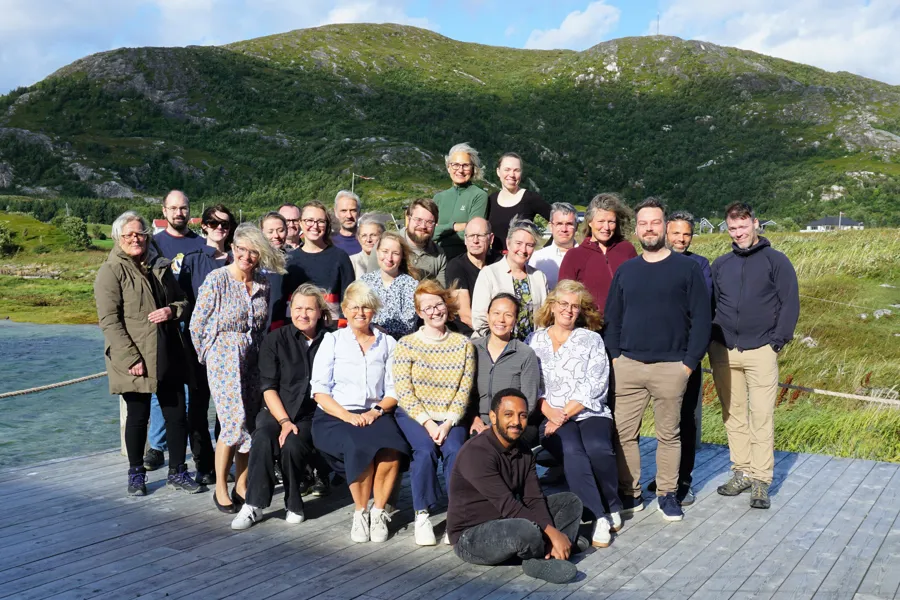
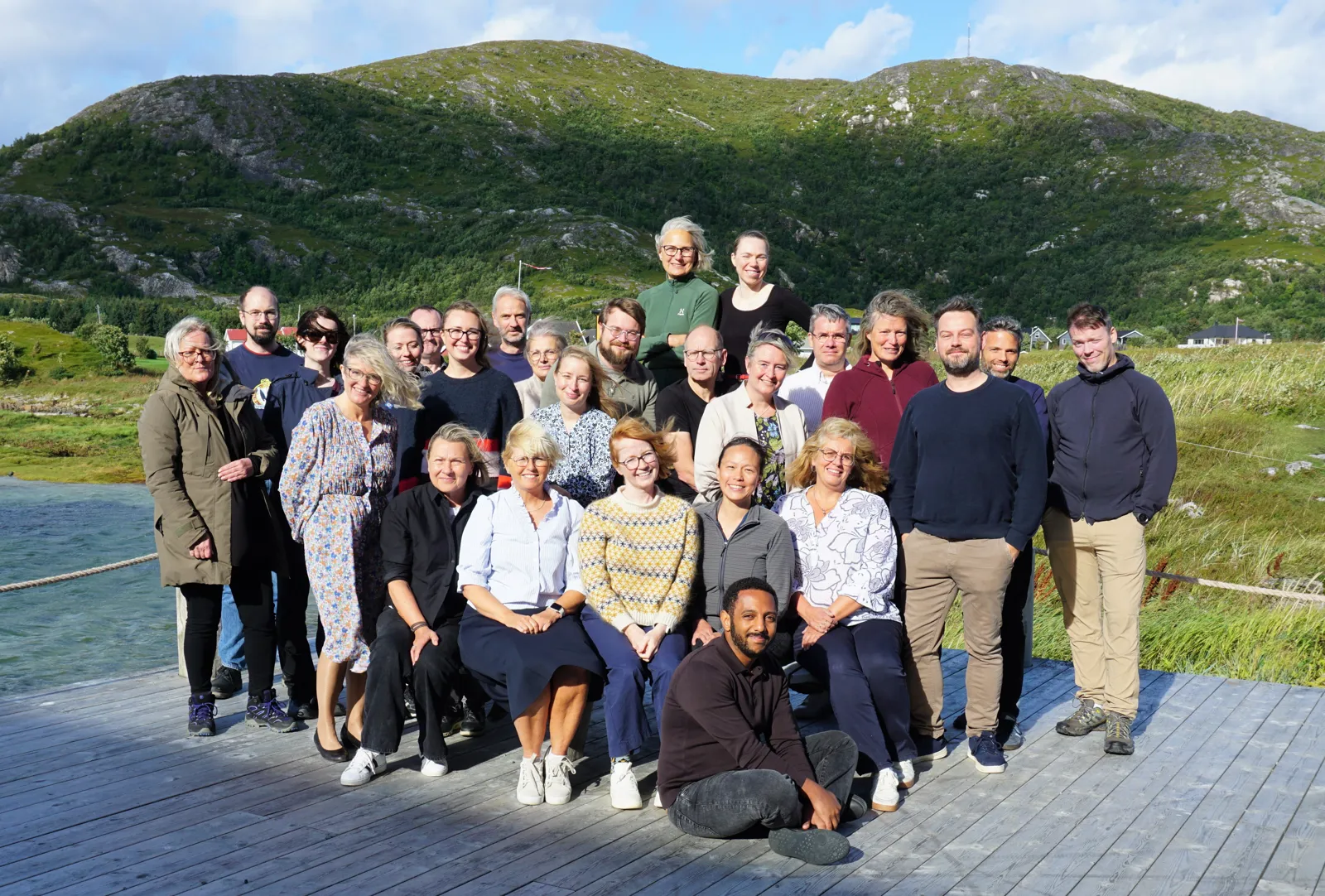
Photo: Randi Solhaug
SKDE has evolved from being a small analysis department in Helse Nord in 2004 to becoming a centre with an increasing number of national assignments by 2024.
Exactly which date SKDE can consider its 20th anniversary is difficult to pinpoint. However, board documents from Helse Nord RHF indicate that the start was sometime during that year. In the annual report from Helse Nord in 2004, it states:
“The centre will particularly focus on patient flow analyses and consumption profiles. Other measures include conveying the importance of implementing new scientific documentation and method assessments in hospitals in the form of evidence-based practice.”
The establishment of SKDE was also mentioned at the government level. Among other things, the centre was seen as “…an important initiative to strengthen the foundation for knowledge, quality, and learning in the healthcare service in the health region” (source: St.prp. Nr. 1 (2003—2004)).
Increased demands on patient treatment
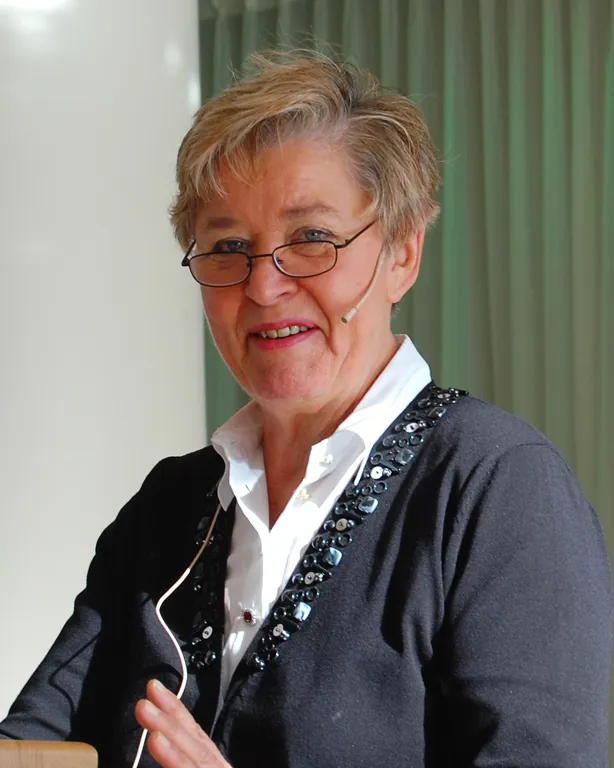
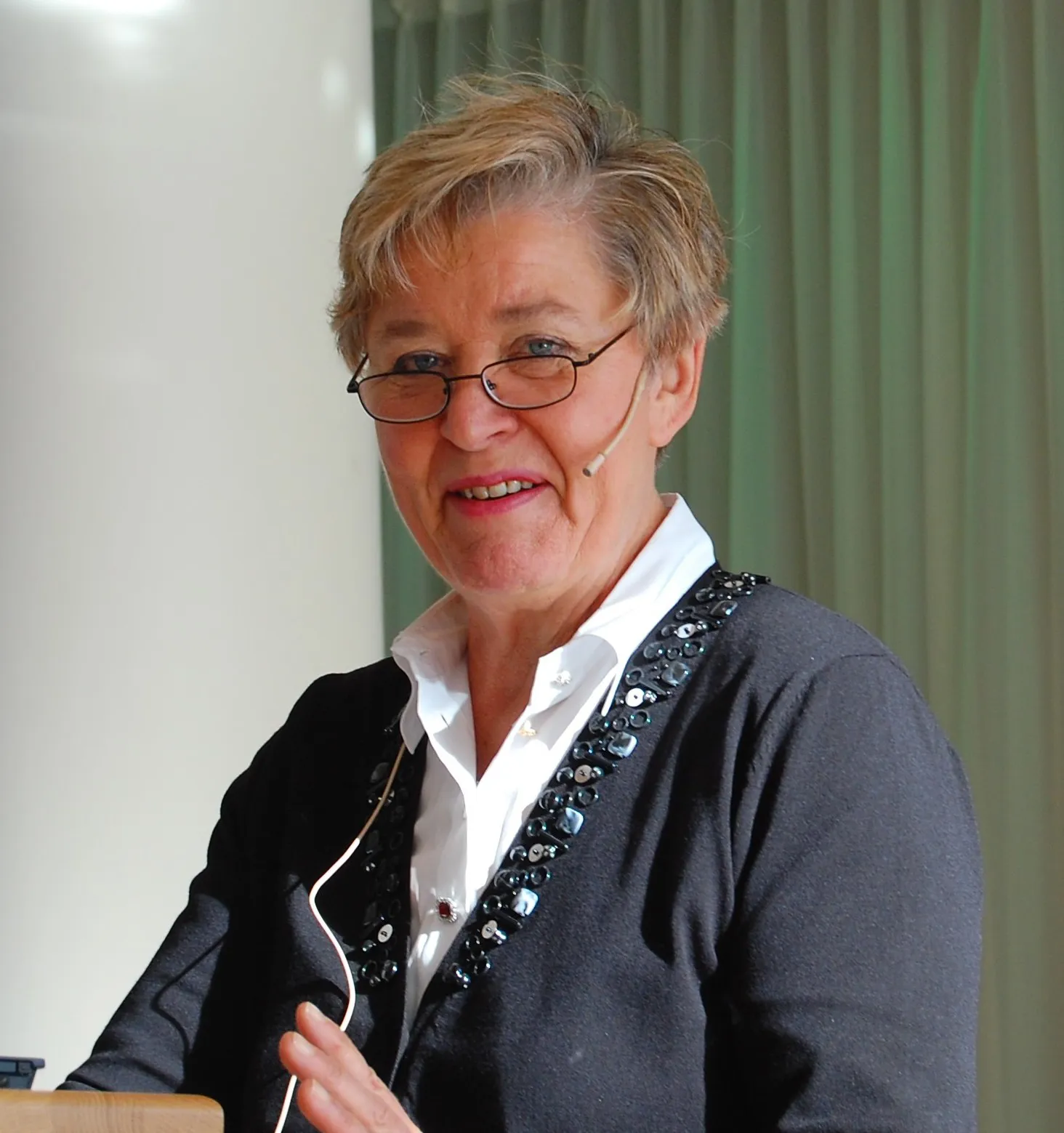
Although the start was in 2004, the need for a centre like SKDE had already become evident a few years earlier. This is recounted by former director of SKDE, Trine Magnus.
— It was in connection with the Health Reform in 2002. For the first time, hospitals were required to meet standards regarding patient treatment. The responsibility for this was anchored in dedicated departments within the new regional health enterprises. The mission was to ensure that the population and patients in all health regions received equitable and adequate healthcare services of good quality. It was indeed monumental! But it soon became clear that we had no method to measure this.
Vi kunne telle kroner, DRG’er, liggedøgn og poliklinikkbesøk, men vi hadde ingen pålitelige data om hva vi gjorde med pasientene og hvordan det gikk med dem.
She explains that this occurred at a time when the Norwegian Patient Register was in its infancy, and that medical quality registers were something individuals pursued in their spare time.
— Then two individuals in Helse Nord had an idea about what could be done. It was Olav Helge Førde, who was the chair of Helse Nord RHF, and Finn Henry Hansen from Helse Nord RHF. They envisioned a centre at UNN with epidemiological expertise from UiT and medical expertise from UNN, anchored in specialist healthcare to ensure contact with the clinic. The purpose was to establish good databases so that healthcare workers and leaders at all levels could get answers to three simple but necessary questions: What are we actually doing with the patients, how are they doing, and are we focusing on the right things? The proposal gained traction, and SKDE became a reality, Magnus recounts.
A national service environment became an important milestone
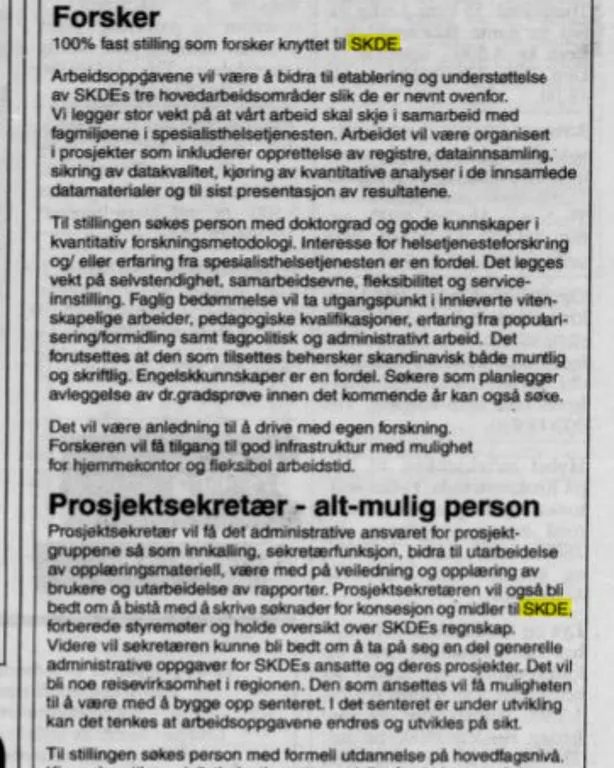
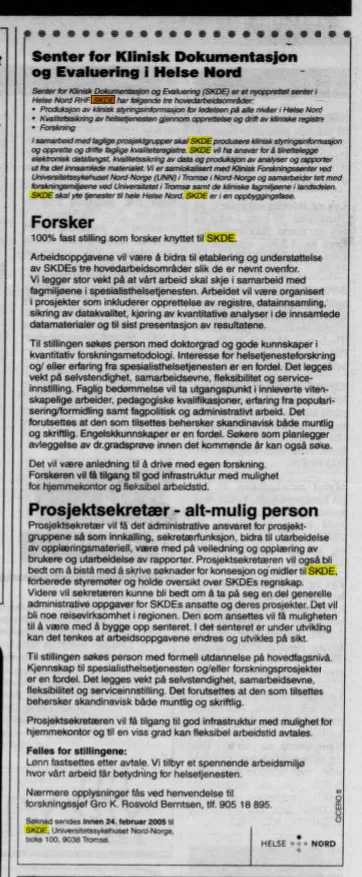
At the very beginning, SKDE was a small analysis department in Helse Nord, located at UNN in Tromsø. The first two employees were research director Gro Berntsen and advisor Philip Skau.
— It was indeed a monumental and ambitious task for the two who started. They approached it with energy and courage, and SKDE was built stone by stone, Trine Magnus recounts.
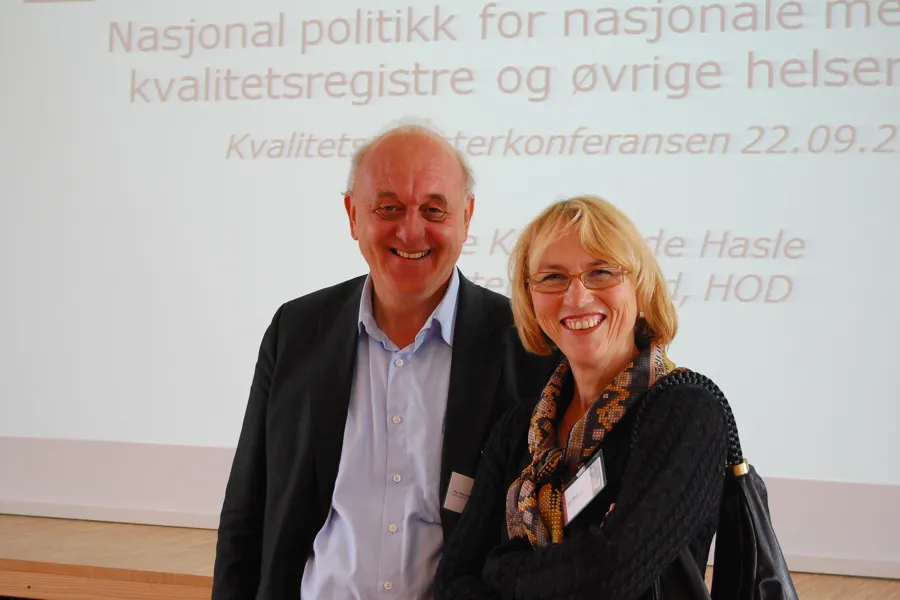
An important milestone for SKDE came at the Quality Register Conference held in Tromsø in 2008. There, the then permanent secretary Anne Kari Lande Hasle from the Ministry of Health and Care Services (HOD) announced that a national service environment for medical quality registers would be established in SKDE from 2009.
— No one knew anything about this in advance, says Philip Skau.
According to the professional director Torunn Omland Granlund at HOD, it did, however, have a history. She explains that it was the regional health enterprises that themselves pointed to SKDE as a candidate to lead a national service environment in a report to the ministry.
— It quickly became clear that it was worth listening to the recommendations of the RHFs. The mandate from the ministry to the National Service Environment for Medical Quality Registers in SKDE was overarching. The follow-up was excellent, she says.
Health atlas as a new national assignment
Olav Helge Førde was not only central to the establishment but also worked in SKDE in a part-time position. In 2023, he had his last working day and was thanked for his many years of service. In his farewell speech, he pointed out that one of SKDE's biggest problems in the beginning was that access to data was poor.
SKDEs unnfangelse var lett, fødselen veldig vanskelig og oppveksten knaber. Først de siste 10 årene har ting begynt å ta av.
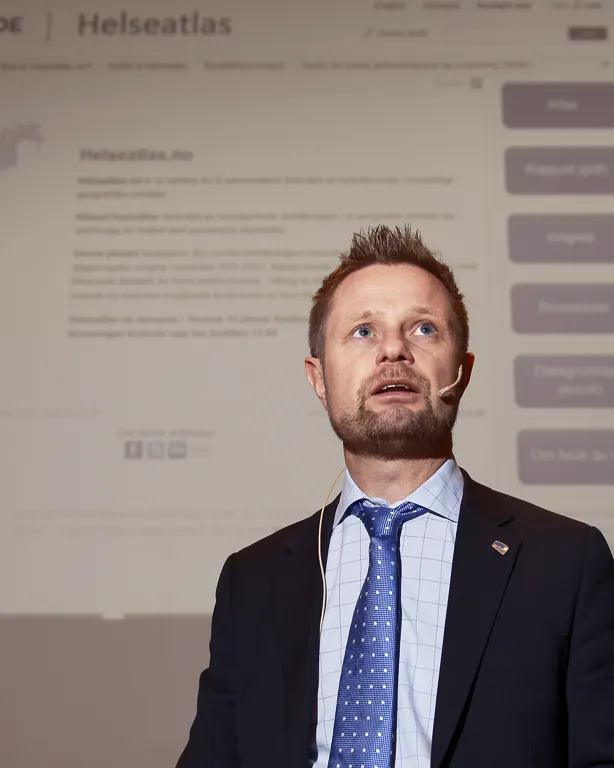
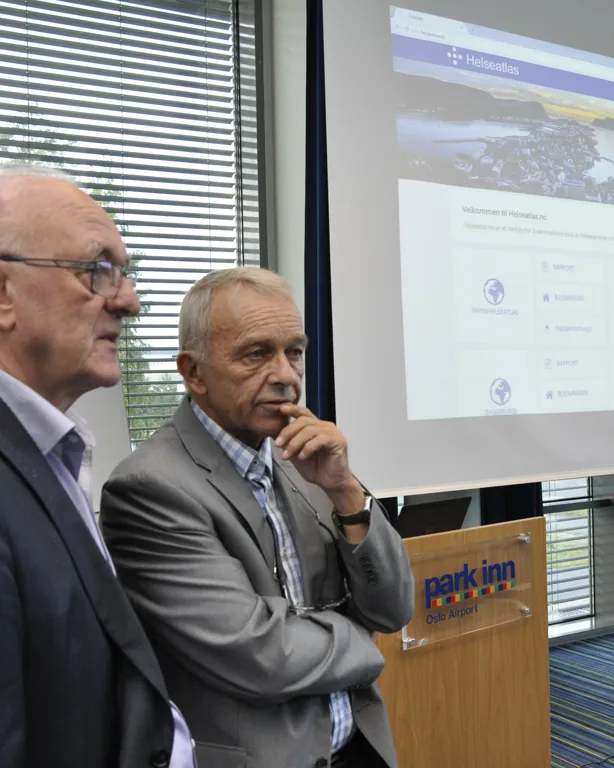
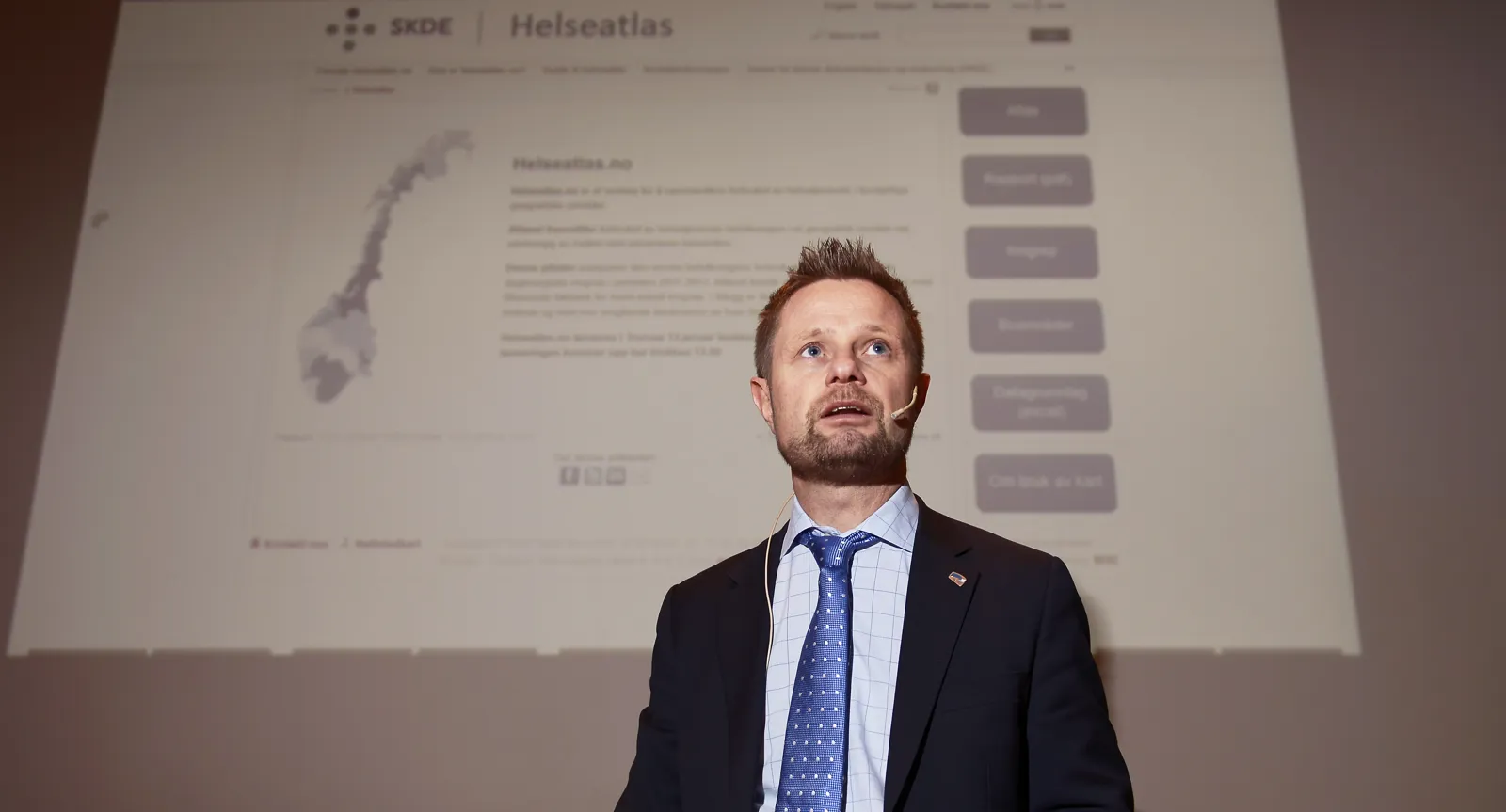
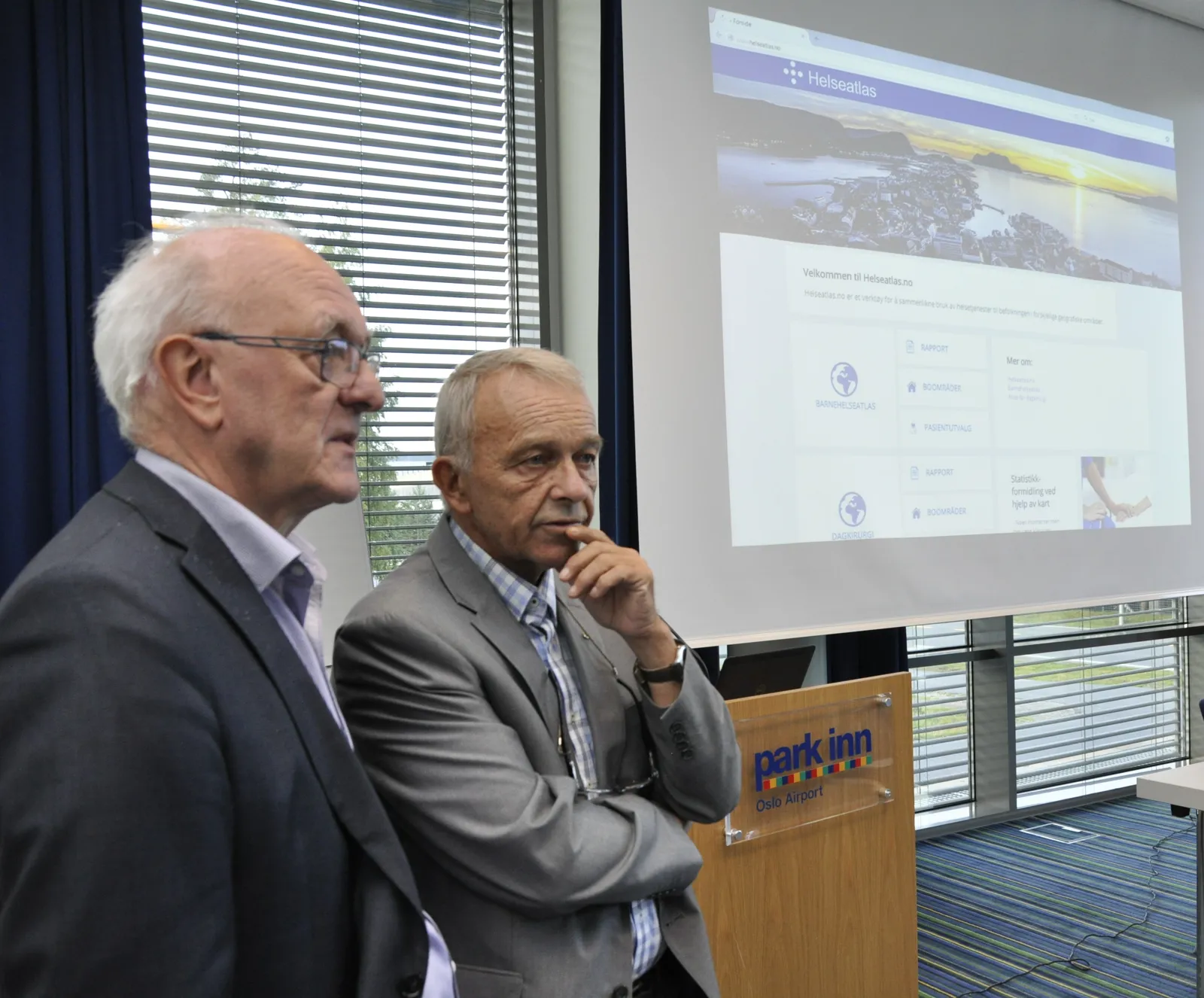
The reason he believes it took off then is that SKDE received a national assignment to create a health atlas. The first health atlas was published in 2015 and focused on day surgery. Additionally, SKDE received recognition and support from the then Minister of Health, Bent Høie, who participated in the launch.
Torunn Omland Granlund also highlights the trusting collaboration with professional environments as a success factor in the work with both the health atlas and the medical quality registers.
— SKDE was the first in Norway to focus on unwanted variation through the health atlas and eventually received assignments from the ministry in this area as well via the RHFs' assignment documents, says Granlund.
Several new assignments in recent years
Project director in Helse Sør-Øst RHF, Ole Tjomsland, agrees that few spoke about unwanted variation and overtreatment before SKDE began addressing it.
— SKDE's tireless efforts to collect, publish, and not least communicate data that revealed significant geographical differences in the quality and consumption of healthcare services have been a very important contribution to mapping unwanted variation and overtreatment, he says.
Dere har gjort arbeidet så bra, at Helse Sør-Øst har valgt å overføre to av våre beste prosjekter til dere: Klinisk Dashboard og Metodebok.no.
Klinisk Dashboard provides an overview of the quality and patient safety of necessary healthcare services as well as the consumption rate for preference and supply-driven services. Metodebok.no is an online portal that gives healthcare personnel access to method books, user guides, and procedures.
Tjomsland explains that they are now fine-tuning the latest edition of the Clinical Dashboard before handover, so that it will provide an updated national overview of the services that incur the highest costs.
— This will provide entirely new insights into which clinical areas with unwanted variation need harmonisation of clinical practice. We hope that Metodebok.no can contribute to this, which is the second project we have handed over, he explains.
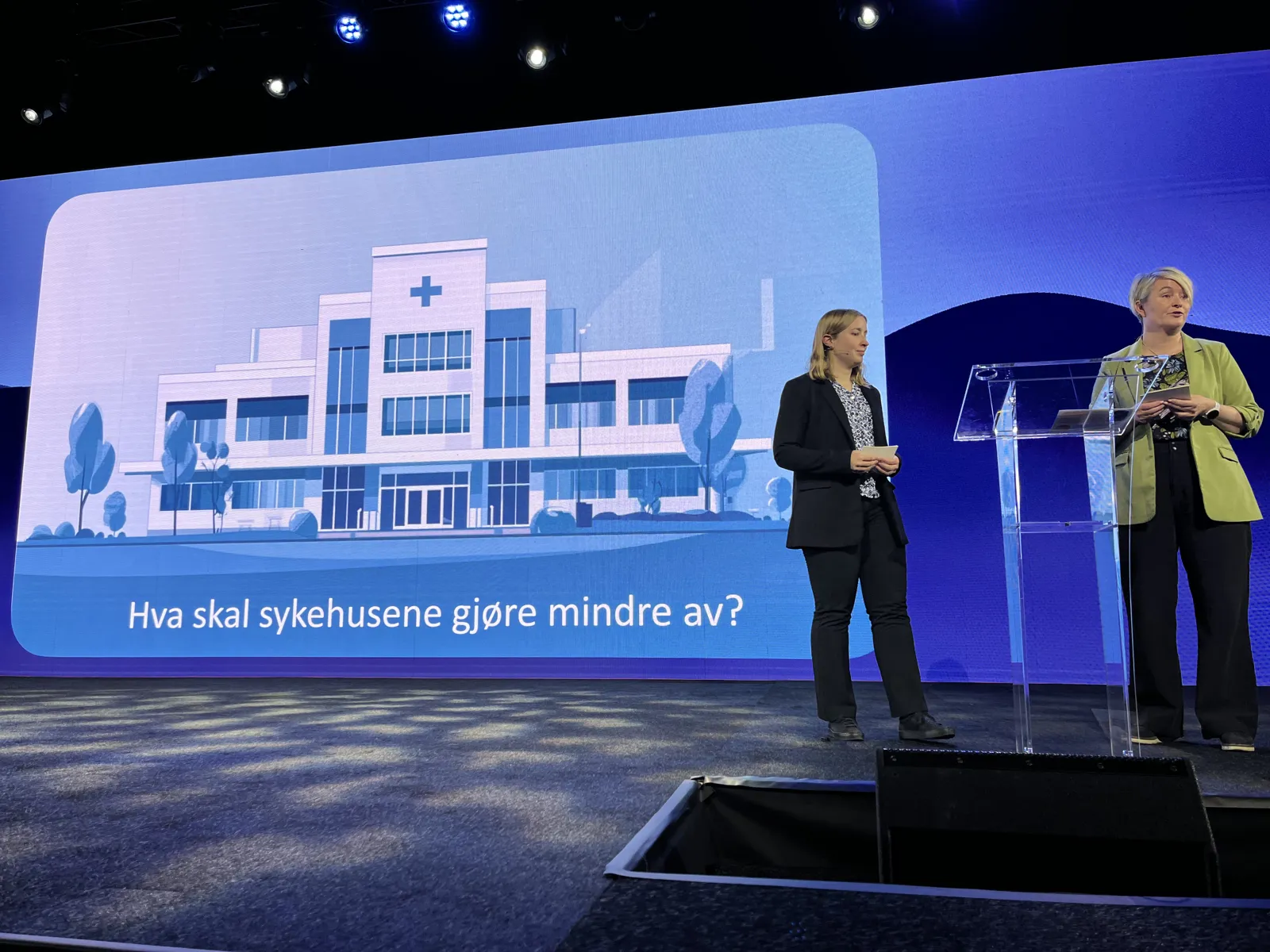
In 2023, SKDE received a new and important assignment: to lead the RHFs' work in reducing healthcare services with low health benefits.
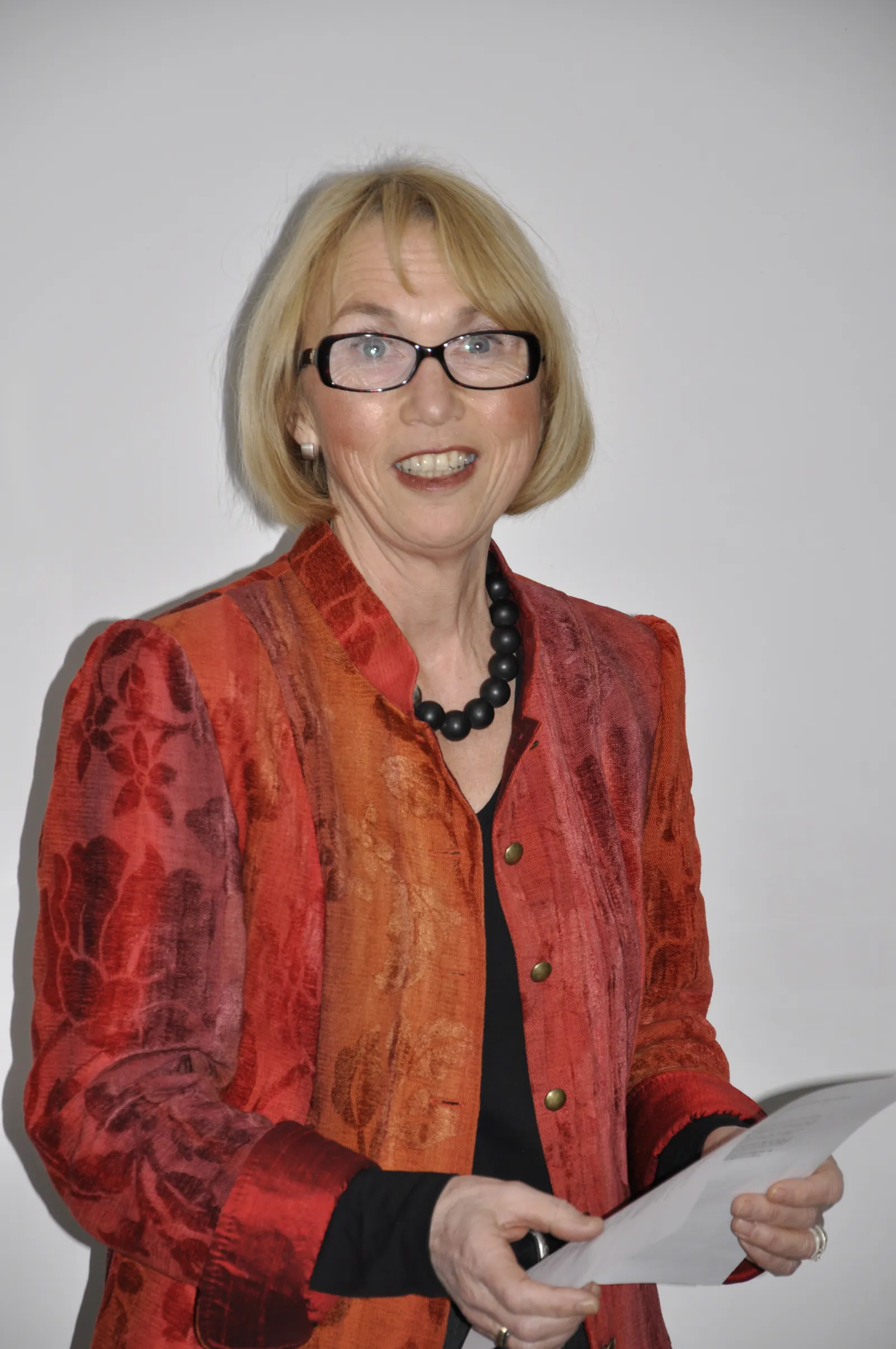
— In today's situation, with long waiting lists, it is important that healthcare personnel spend their time on investigations and treatments that provide benefits for patients. The four health regions have come together to identify healthcare services that provide little health benefit. We must reduce the use of these, and both professionals and leaders are involved in this important work, says SKDE director, Eva Stensland.
Looking forward to the future
Jan Frich, managing director of Helse Midt-Norge RHF, emphasises the importance of having good data to drive effective healthcare services. He praises SKDE's work in studying variation and the efforts made with the medical quality registers.
God informasjon om hvordan vi gjør det, og hva vi gjør, er viktig for å kunne drive gode helsetjenester. Det er nesten som å kjøre en båt på havet – du må vite noe om dybden og koordinatene.
— What is important for those who are close to the patients is to be able to compare themselves with others, so that they can question their own practice. So I think what will be important going forward is that we get even more “real-time” data about how things are in our services. That we receive information that is easy to use, accessible to clinicians, and that we are constantly challenged to manage unwanted variation better. And here, SKDE has a crucial role, so I look forward to working for at least another 20 years with the data you provide to us as leaders and clinicians in the healthcare service, he says.
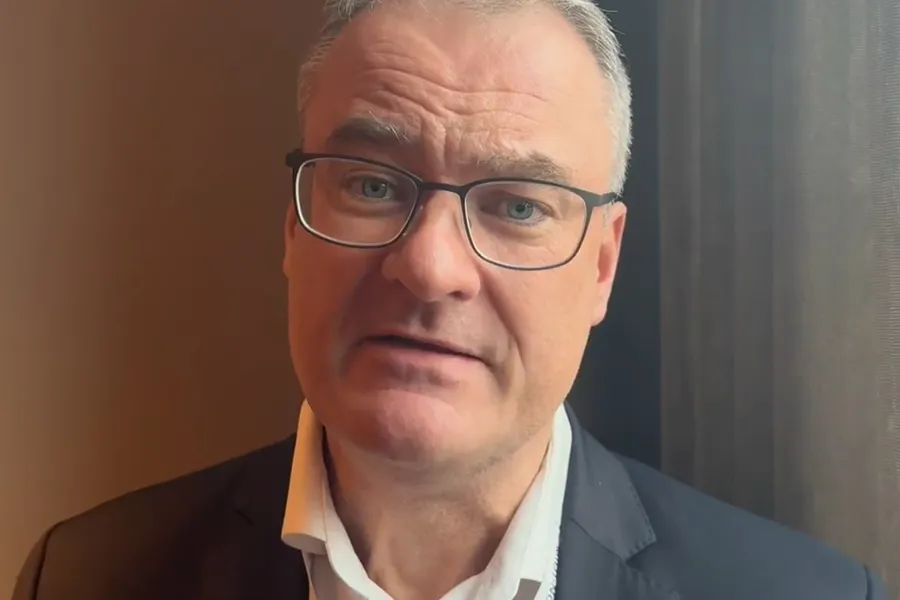
With 20 years behind it, SKDE is now looking forward to continuing its work in the years to come, says SKDE director Eva Stensland.
— The most important thing in the time ahead is to get more people acquainted with and using our analyses to change and improve the healthcare service. We are working hard to present our knowledge in various arenas and to keep our website skde.no updated and user-friendly, she says.
SKDE celebrated its anniversary with a webinar showcasing the breadth of work being done at the centre. You can watch the recording here.
Et glimt av SKDE gjennom 20 år
Viktige årstall i SKDEs historie
2004
SKDE blir opprettet
2008
Virksomheten utvides med en regional registerenhet for Helse Nord
2009
Nasjonalt servicemiljø for medisinske kvalitetsregistre etableres
2015
Det første Helseatlaset presenteres
2016
SKDE får i oppdrag å øke forskningsvirksomheten, samt utvide og styrke sitt internasjonale og interne samarbeid
2020
SKDE får ansvar for Teknologiforum for medisinske kvalitetsregistre (FMK)
2023
SKDE får ansvar for å lede det interregionale arbeidet med revurdering av helsetjenester med lav helsegevinst
2024
SKDE overtar ansvar for Metodebok.no