Cancer patients with mental health disorders are more likely to fall outside the treatment pathways.
Cancer patients with a history of substance abuse or mental health disorders have an increased risk of not being included in care pathways, which can lead to a poorer prognosis.
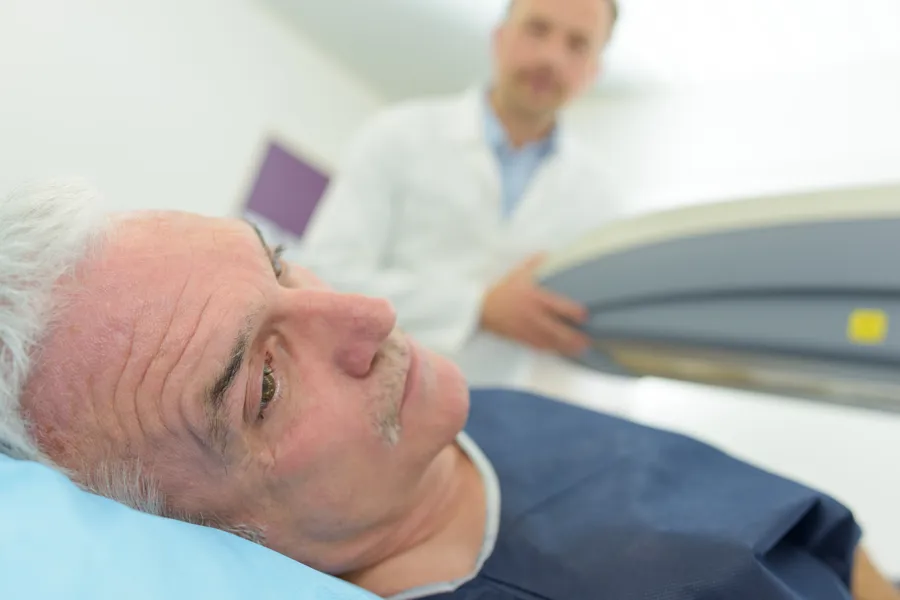
Photo: Colourbox
It shows a study conducted by the Centre for Clinical Documentation and Evaluation (SKDE) published in BMC Public Health.
The study shows that patients with a history of mental disorders or substance abuse have an eight per cent higher risk of not being included in treatment pathways compared to other cancer patients. The highest risk was found in patients diagnosed with psychosis or depression.
The study includes over 65,000 Norwegian cancer patients between 2015 and 2018 and has examined the most common types of cancer in Norway, such as lung, breast, prostate, and digestive cancers.
Cancer is detected too close to death
Patients who have previously been admitted to psychiatric care fare the worst compared to other cancer patients, the study shows. These patients had a 38 per cent greater risk of not being included in a cancer treatment pathway. For patients who had been admitted for psychosis, the risk was as high as 76 per cent.
Compared to other patients who were not included in treatment pathways, patients with mental disorders or substance abuse had a 34 per cent higher risk of their cancer being detected close to death.
– For cancer types where symptoms may appear late, such as lung cancer, the risk of falling outside treatment pathways is particularly high, says researcher at SKDE, Ina Heiberg. She is the lead author of the study.
Losing more years of life than other groups
The consequence of late or missing inclusion in a treatment pathway is that patients potentially have a poorer prognosis and higher mortality for their cancer.
Kreft er en av de vanligste dødsårsakene, også for personer med ruslidelser eller psykiske lidelser. Vi vet fra andre studier at kreftpasienter med rus- eller psykiske lidelser taper flere leveår til kreft enn den generelle befolkningen. Vi ser også at dette problemet er økende. Det er urovekkende

Photo: Ørjan Marakatt Bertelsen
— Worrying
Treatment pathways for cancer were introduced to ensure patients receive quicker assessments and treatments, which potentially leads to better prognoses. Therefore, it is a national goal that 70 per cent of all cancer patients should be included in a cancer treatment pathway.
It is known from foreign studies that patients with substance and/or mental health disorders fare worse when it comes to receiving timely treatment.
— We therefore had reason to believe there would be a difference, and there was. It is worrying that many of these patients are arriving too late for cancer treatment, says Heiberg.
A combination of factors
There are several possible reasons why patients do not enter a treatment pathway. For example, overwhelming acute issues related to the mental disorder, lack of knowledge about their own health, insufficient support systems for the patient, and stigma associated with these types of disorders.
The findings also highlight the need for better collaboration between mental health services, substance abuse care, and somatic health services.
— Some of the cancer symptoms patients have may resemble the consequences of mental disorders. We should therefore ensure that more time is allocated to these patients and be aware that those with complex disorders may find it harder to recognise and communicate their own symptoms. More must be done for this patient group so that they receive equitable access to healthcare regardless of mental health or life situation, believes Ina Heiberg.