Increase in surgical procedures for endometriosis in 2024
New figures from SKDE show an increase of nearly 13 per cent in surgical procedures for endometriosis from 2023 to 2024, but the increase is unevenly distributed across the country.
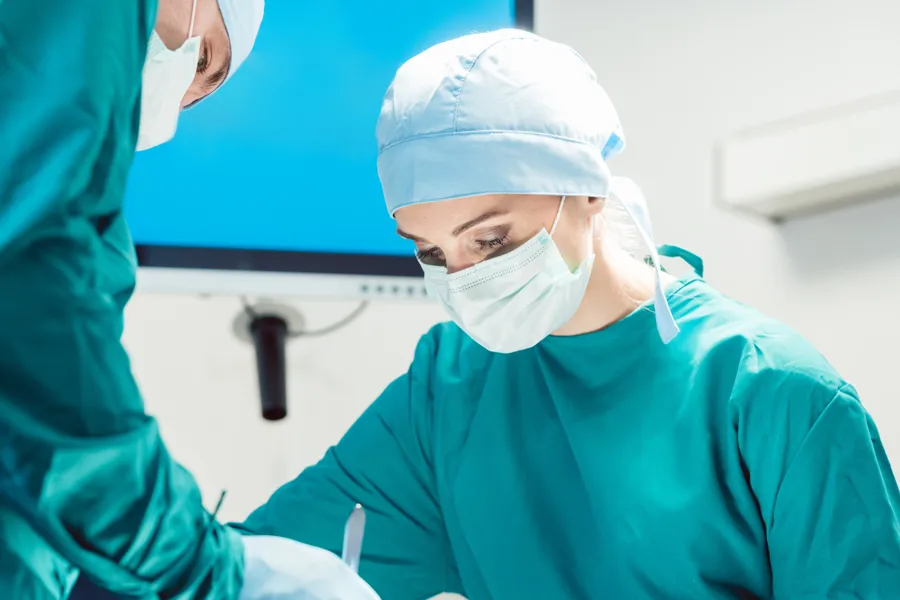
Photo: Colourbox
In 2015, there were 1,272 operations for endometriosis performed on women aged 16—55 years. By 2024, the number had increased to 2,431 operations. The figures are published on SKDE's website for updated health atlas.
Vestfold at the Top
Just as in 2015, in 2024 there are still significant differences between various parts of the country regarding the proportion of women undergoing surgery for endometriosis.
— There are no known geographical differences in the prevalence of endometriosis in Norway, and the geographical variation is likely due to differing practices in diagnosis and treatment, says section leader at SKDE, Hanne Sigrun Byhring.
In 2024, women served by the hospital in Vestfold had the highest number of operations, with 2.8 operations per 1,000 women aged 16—55 years. The number of operations per 1,000 women was also high in Oslo. Helse Førde and Helse Nord-Trøndelag had the lowest figures. Among women served by these two health enterprises, only 0.7 and 1.0 operations per 1,000 women were performed, respectively. Helse Førde and Helse Nord-Trøndelag have consistently had low figures compared to the rest of the country throughout the nine-year period from 2015 to 2024.
— Positive, but Still Not There
The Endometriosis Association in Norway is positive about the increase in the number of women receiving endometriosis surgery. At the same time, the managing director, Elisabeth Raasholm Larby, points out that more needs to be done to level out the regional differences:
— It is wonderful to see that the figures for performed endometriosis operations have increased. Women across the country have long waited far too long for healthcare, and patient queues have been a significant problem. Endometriosis has also been underdiagnosed, overlooked, or forgotten as a diagnosis. That more women are now receiving surgery that can both diagnose and treat the condition is positive. This sends signals that women's issues are being taken more seriously, but we are certainly still not there. The regional differences must be levelled out, and we hope that the national competence service for endometriosis and adenomyosis will contribute to this, says Raasholm Larby.
Finn flere tall og analyser på oppdaterte helseatlas
SKDE publiserer årlig utvalgte analyser på oppdaterte helseatlas.
Onsdag 9. april 2025 er det publisert nye tall for:
Flere oppdaterte analyser kommer i mai.