Successful quality improvement project:
Changed hip surgery procedure - contributed to reduced geographical variation
Elderly patients were spared the strain of having to undergo surgery again as several surgeons across the country switched to cemented femoral stems in hip replacement operations.
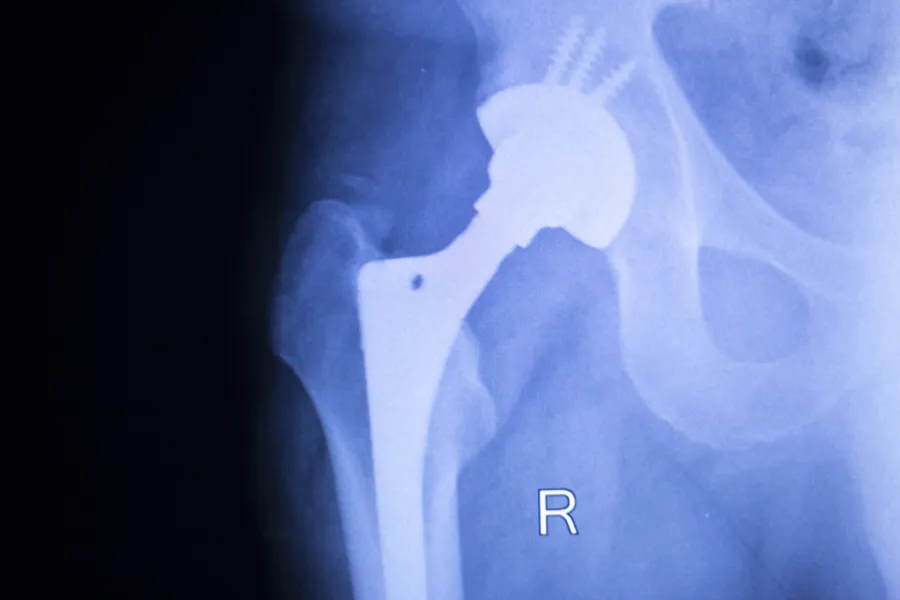
Photo: Colourbox
Particularly women over 75 years old and patients with hip fractures benefit from surgeons moving away from using uncemented femoral stems to instead using cemented femoral stems in hip replacement surgeries.
Therefore, in 2018, a national quality improvement project was initiated under the auspices of the National Register for Joint Prostheses and the National Hip Fracture Register.
— The project was launched because we observed an increasing use of uncemented femoral stems in Norway. This was despite all recent studies showing that the risk of reoperations is higher when these stems are used compared to when cemented stems are used. The risk is particularly high for sustaining fractures around prostheses, which leads to major reoperations. The risk is especially high for the oldest patients, particularly for women over 75 years old and for patients with hip fractures, says Jan-Erik Gjertsen.
He is the head of the National Hip Fracture Register and a consultant at the Orthopaedic Department, Haukeland University Hospital.
Less geographical variation in treatment
In Norway, approximately 10,000 patients undergo total hip replacement surgery each year, and 3,500 patients with hip fractures undergo surgery with hemiarthroplasty.
International guidelines recommend the use of cemented femoral stems for patients with hip fractures. Nevertheless, there were significant differences between hospitals in Norway before the project was initiated. At some hospitals, only cemented stems were used when operating on patients in the risk group. At other hospitals, however, only, or almost exclusively, uncemented stems were used.
— Hospitals with a high proportion of uncemented stems were invited to participate in the project, says Jan-Erik Gjertsen.
The aim of the quality improvement project was to increase the proportion of cemented prosthetic stems, and that aim was achieved:
— The results showed that the proportion of cemented femoral stems used in the treatment of the patient groups included in the project increased at the participating hospitals. For total hip replacements, it rose from 26% to 80%, and for hemiarthroplasty (for hip fractures) from 27% to 91%, says Gjertsen.
Prosjektet har ført til mindre geografisk variasjon i behandlingen av disse pasientene
Increased patient safety for a vulnerable group
By using cemented femoral stems, the need for further surgery was also reduced. At the hospitals that participated in the project, the proportion of reoperations decreased from 3.7% to 2.1% for total prostheses, and from 5.9% to 3.3% for hemi-prostheses. This also resulted in better long-term outcomes and increased patient safety for a vulnerable group.
— Often, the reoperation is more extensive than the prosthetic operation itself. The reoperation may involve replacing parts of the prosthesis or the entire prosthesis, or, for example, fixing a fracture around the femoral prosthesis with plates/screws. Such an operation is a significant strain, especially for the oldest and frailest patients. Additionally, it is associated with increased mortality, morbidity, and immobilisation. Such a reoperation may also lead to reduced quality of life, decreased ability to walk, and to manage independently, explains Jan-Erik Gjertsen.
He also points out that uncemented femoral stems have good results in younger patients and are still used in this patient group. Therefore, there is no reason to switch to cemented stems for all patients.
— Hospitals are positive about the registers
— How can healthcare personnel benefit from this quality improvement project?
— The benefit for healthcare personnel is twofold. Firstly, healthcare personnel (orthopaedic surgeons) can use the results of the project as a basis for decision-making when choosing which types of prostheses to use for the relevant patient group. Secondly, this project demonstrates the usefulness of employing a national quality register to carry out an improvement project, says Jan-Erik Gjertsen.
— How important have register data been for this project?
— The quality project could not have been carried out without register data. It was data from the register that formed the basis for the project. Continuous monitoring of the proportion of cemented femoral stems revealed that at some hospitals, such stems were used to a limited extent. With the help of the register, the proportions at different hospitals could be compared.
He explains that the hospitals were contacted through the contacts from the National Register for Joint Prostheses and the National Hip Fracture Register.
— Hospitals are positive about the registers and wanted to participate in the project. We also used register data to demonstrate improved results for prostheses in the relevant patient groups in the final part of the project, says Gjertsen.
Read more:
The article on the results of the quality improvement project has now been published in the journal Acta Orthopaedica. You can read the article here.

Photo: Jan Erik Gjertsen