Health Atlas is 10 years old.
On 13 January 2015, the very first health atlas was published in Norway. Exactly ten years later, the analysts at SKDE used the anniversary to plan new atlases and new updates.

Photo: Randi Solhaug
The first health atlas focused on day surgery in the years 2011—2013 and showed the consumption and distribution of the most frequently performed day surgical procedures in Norway. Just a few months later, the next health atlas was published, a Child Health Atlas.
In the decade that has passed, a total of 19 health atlases have been published.
And there will be more, as on 13 January 2025, the staff in SKDE's analysis section gathered for a full-day meeting to plan ahead.
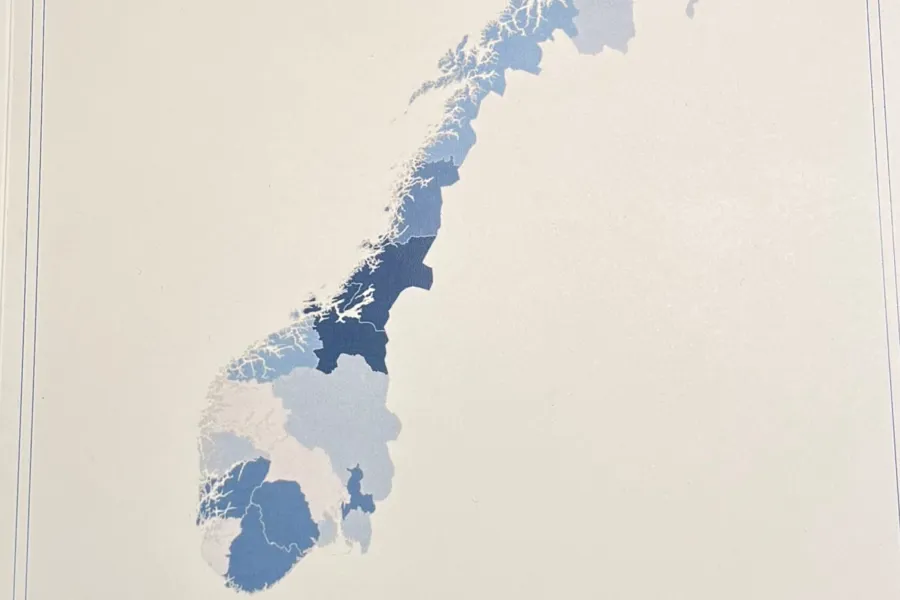
Photo: Randi Solhaug
May indicate over- or under-consumption
All the health atlases that have been published have highlighted and shown that geographical variation in treatment practices is quite common in Norway. What has been achieved by publishing health atlases over the years?
Jeg tror først og fremst at helseatlas har bidratt til en større bevissthet omkring geografisk variasjon og hva det betyr.
— Geographical variation may indicate either over- or under-consumption. It may mean that patients are not receiving as many health services as they should, or adequate follow-up, says the head of the analysis section at SKDE, Hanne Sigrun Byhring.
She also mentions that in recent years there has been more focus on how to reduce geographical variation.
— In recent years, there have also been more projects within hospitals and the RHFs attempting to address geographical variation. One example is the interregional project “What should hospitals do less of?”, led by SKDE. However, it is not solely a result of the health atlases that there is now work being done to reduce variation and over-treatment. There are several others working on this as well, for example, the Norwegian Medical Association's “Wise Choices” campaign, she says.
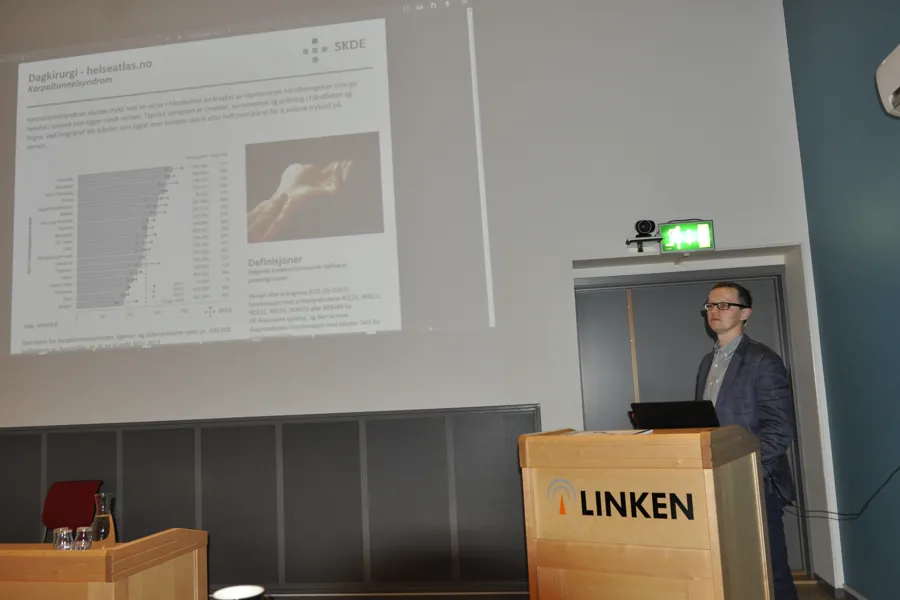
Photo: SKDEs arkiv
Will further develop the health atlas
Hanne Sigrun Byhring began working at SKDE and with the health atlas in 2016. She has thus been involved almost all the way. How does she feel about it?
— It has been very enjoyable! I particularly think it was great that we started with annual health atlas updates before we reached 10 years. The annual updates online stand in stark contrast to the large, thick health atlas books that we published at the beginning. And it doesn’t feel that long ago either, she recounts.
— Do you think the health atlases will continue for the next 10 years as well?
— Yes, but perhaps not in their current form. It is very likely that the health atlas will look different in 10 years. We will continue to develop it, just as we have in the first 10 years. But that it will exist in some form – that is probably likely. For it will still be useful for the healthcare system to monitor differences in treatment practices, says Byhring.
Photo: SKDEs arkiv
|
ABOUT THE HEALTH ATLAS |
|