Health Atlas for Children:
An increasing number of children are receiving help for functional disorders.
22,000 children receive outpatient help for functional disorders each year, and there has been a significant increase since the pandemic. "We want specific diagnostic codes and better treatment options for these children," say two paediatricians.
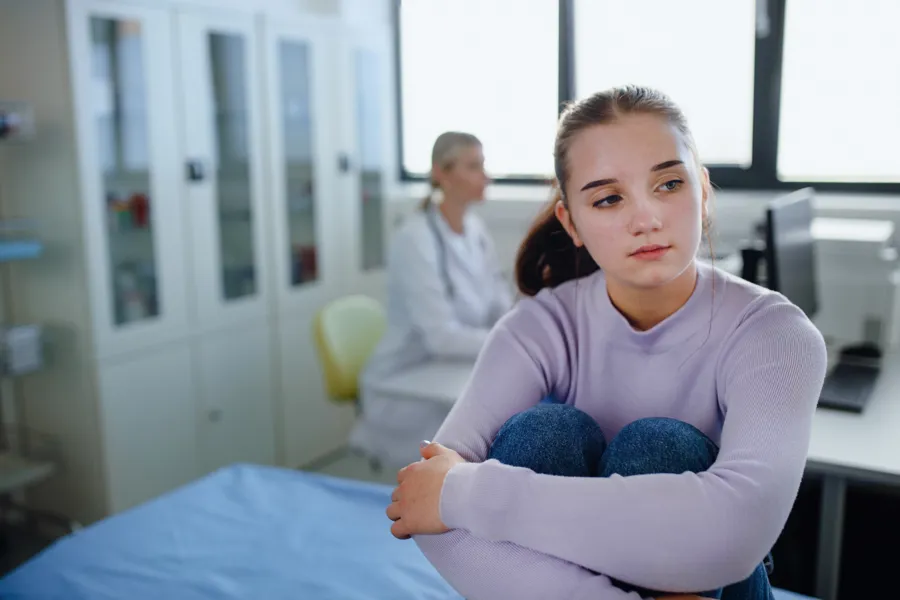
Photo: Colourbox
The figures are presented in the new Health Atlas for Children, which has been developed and published by the Centre for Clinical Documentation and Evaluation (SKDE).
Here are some of the main findings regarding functional disorders:
- There are more children receiving outpatient consultations due to functional disorders. This has increased from 18,000 to 22,000 children in the period from 2017 to 2024. The increase was greatest in 2021 and 2022.
- Children with functional disorders receive extensive follow-up in the healthcare system, both from general practitioners, paediatricians, and in child and adolescent psychiatry.
- There are more girls than boys with functional disorders. Up to the age of 12, there are approximately equal numbers of boys and girls receiving outpatient consultations. From the age of 13, this changes: the number of boys receiving such consultations decreases significantly, while the number of girls increases considerably.
No specific diagnosis for functional disorders
Functional disorders are an umbrella term that encompasses various physical symptoms.
Currently, there are no specific diagnoses for functional disorders that fully capture this patient group. Doctors therefore use diagnoses such as unspecified abdominal pain, constipation, headaches, malaise, and fatigue.
— We paediatricians are very grateful that the Child Health Atlas is attempting to quantify something we see as a very large group of patients in Norwegian child and adolescent departments. Unfortunately, we do not have specific diagnostic codes for functional complaints, and thus we are forced to use an approach through nonspecific symptom diagnoses, with the weaknesses that entails. We also know that many with functional complaints are also found in the group with more specific diagnoses, especially where they have functional additional complaints alongside a medical underlying condition. For example, functional breathing difficulties in addition to asthma, or functional abdominal complaints on top of an underlying illness such as coeliac disease or inflammatory bowel disease. We therefore think this will provide a reasonable estimate of the numbers, and suspect that the actual number is likely higher, says Hege Kristiansen, chair of the Norwegian Paediatric Association and consultant at the Child and Adolescent Department, Helse Førde.
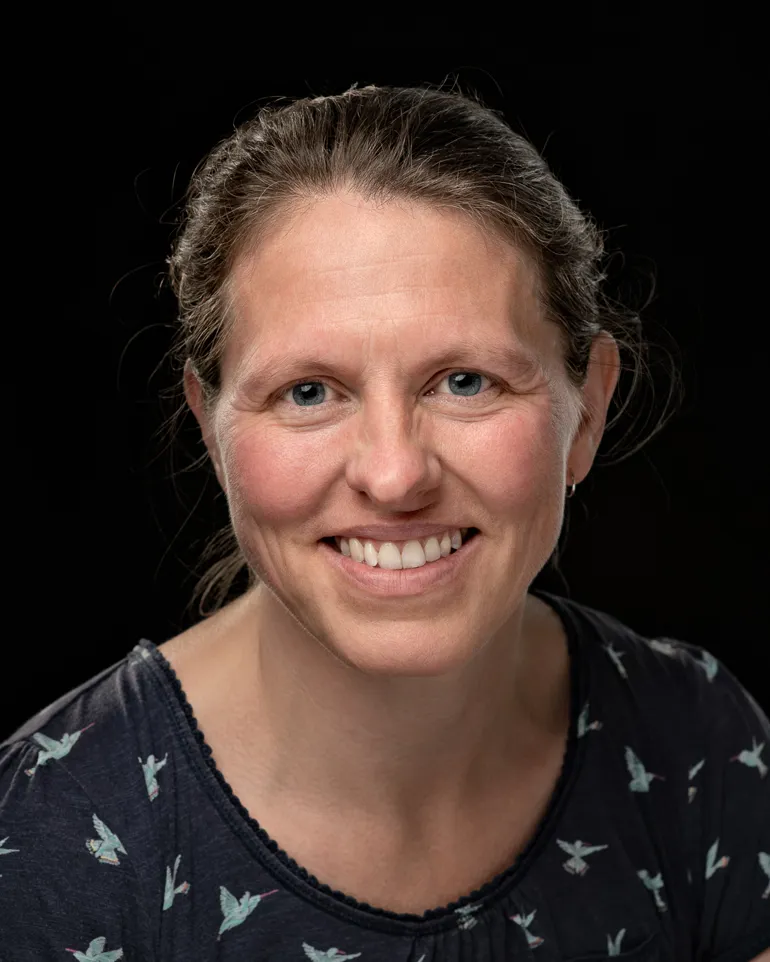
Photo: David Zadig
Deeply human complaints
Paediatrician Hans Petter Fundingsrud, known from the film and TV series “Without Visible Signs”, explains that functional complaints are deeply human. This is how our bodies react when we are subjected to stress:
— Approximately 10—30 per cent of children and young people in a population may experience symptoms that are not due to a defined somatic illness. Girls are more often affected than boys. Functional complaints seem to increase during adolescence, and there is a clear correlation between the occurrence of anxiety/depression and such physical complaints. Functional conditions also tend to cluster in families, says Fundingsrud.
Often, the complaints are a result of the cumulative effect of everyday stresses: too little sleep, too little physical activity, poor diet or hydration, but also stresses such as social stress (bullying or exclusion at school, difficulties within the family), illness or injury to oneself or close family members. Less frequently, they may express more serious life events such as the loss of a loved one, violence, or abuse.
Desire for specific diagnostic codes and better treatment options
The Health Atlas for Children shows that many children with functional disorders are followed up in both somatic and mental health services.
— The fact that many children are followed up in parallel in somatic and mental health services is something we also see in the clinic. These are often children with multiple stressors. The observed increase after the pandemic is a good illustration of this - many children fell out of routines, many of the health-promoting activities disappeared, and it was difficult for many children and young people to return to school and social life after the pandemic, says Hege Kristiansen.
Both she and Hans Petter Fundingsrud are united in what they wish for the future:
— We want specific diagnostic codes and better treatment options for these children and young people. The complaints lead to significant functional loss in terms of school absenteeism and lack of participation in social life with friends and family. To recover, they need targeted treatment quickly, preferably before school absenteeism becomes too significant. Then it is easier to return to functioning. We hope that more knowledge about the conditions and the young people through the Child Health Atlas will also lead to better treatment options.
Read more in SKDE's Health Atlas for Children.
See also: Children do not receive equivalent healthcare services in specialist health services